

The movement towards equality in education and the workplace has been legislated in policy and practice, in Canada, over the last 50 years. For some people, they believe we have achieved equality, for others, they believe we have a long way to go. So, what is the truth and why does it matter for your business?
Remember the ‘good old days’ of the school playground? What a bustling environment of different ages, stages, skills and beliefs! The playground may have been your favourite place at recess or a dreaded hive of bullying. The old seesaw (or teeter-totter), in particular, was a great place to navigate the equality of size, speed and participant engagement.
Now, on a hot, sunny day, that burning metal seesaw was a risk for everyone! But two people, about the same weight and height, lifting each other up and down, was great fun! But, then came along three more kids jumping on one side of the bar and the opposite rider would fly up in the air, kicking, screaming and hanging on for dear life! Or, if a rider decided to get off quickly mid-swing, the other rider would come crashing to the ground with a bruised behind.
The concept of equality can be explained by a balanced seesaw ride. In reality, on any playground we have been on, that is rarely how the ride is experienced. To better understand what is going on in the other, unbalanced rides, we want to talk about equity. Equality is a wonderful destination where everyone has a fun, balanced ride; equity is the journey to balance the weight and momentum of the ride so that everyone has a positive experience.
Why does the ride need adjustment? Well, no one likes to be the person who is stuck in the air or crashes down to the ground. To many, that ride feels rigged, unbalanced and often frightening.
The Canadian Women’s Foundation recently gathered the latest data on the gender pay gap, and despite Pay Equity legislation in Ontario and across Canada, women continue to make 89 cents for part-time and full-time work compared to every dollar made by a man. The United Nation’s Human Rights Committee continues to raise concerns about these persistent inequalities, emphasizing that this pay gap has an increased disparity for low-income, racialized, disabled or Indigenous women, as well as 2SLGBTQIA+ people.
What are some of the things that are still unbalanced in today’s workplaces? For entrepreneurs and small businesses, it is often much more difficult (than for larger organizations) to see these inequities in day-to-day operations and human resources.
Here are some foundational ways you can explore equity and inclusion for your staff and service users (customers, patients or clients):
Now that we know better, we do not build playgrounds with hot metal seesaws anymore. We build playground infrastructures that are welcoming and safer for all bodies, with less splinters and burns. The same principle works in economic development; whether we are attracting tourists or community members, the more we are visibly and authentically welcoming and inclusive, the more customer and staffing retention we see. This is key to business growth and sustainability.
Local business development and Main Street strategies across the province echo equity frameworks; diversity and inclusion are becoming mainstream. In Kitchener’s new action plan, they highlight the importance of “championing a caring and collaborative community.” St. Catherines Economic Development commits one of three program pillars to “prioritizing equity seeking groups.” The Ontario Nonprofit Network has invested in research and advocacy to highlight the disparities of “decent work” for Indigenous, Black and racialized workers, as well as women, 2SLGBTQIA+ and disabled people.
For some, shifts in economic participation over the past 70 years can feel worrisome. More recently, the impacts of the COVID-19 pandemic have highlighted many employment, health and childcare disparities for all of us. We feel anxious about major shifts in industry, supply chains, agriculture, and housing prices; these topics affect us all. Yet, we have many successful case studies that demonstrate embracing inclusion is great for business.
In 2023, small businesses and entrepreneurs recognize the value of women’s economic contributions and decision-making to fiscal growth (we know these opportunities were not always available to women). When a diversity of people participates in a community’s culture and economy, those benefits grow exponentially.
At EQU Consulting, we believe that when our service users feel represented and reflected in our staff and volunteer diversity, we nurture spaces of belonging where everyone thrives. In reality, especially in communities outside of urban centres, staff retention and service user trends swing back and forth at different speeds due to many external factors. When we diversify our human connections, and build new and welcoming relationships, we can expect more fun times – for everyone – on the playground.
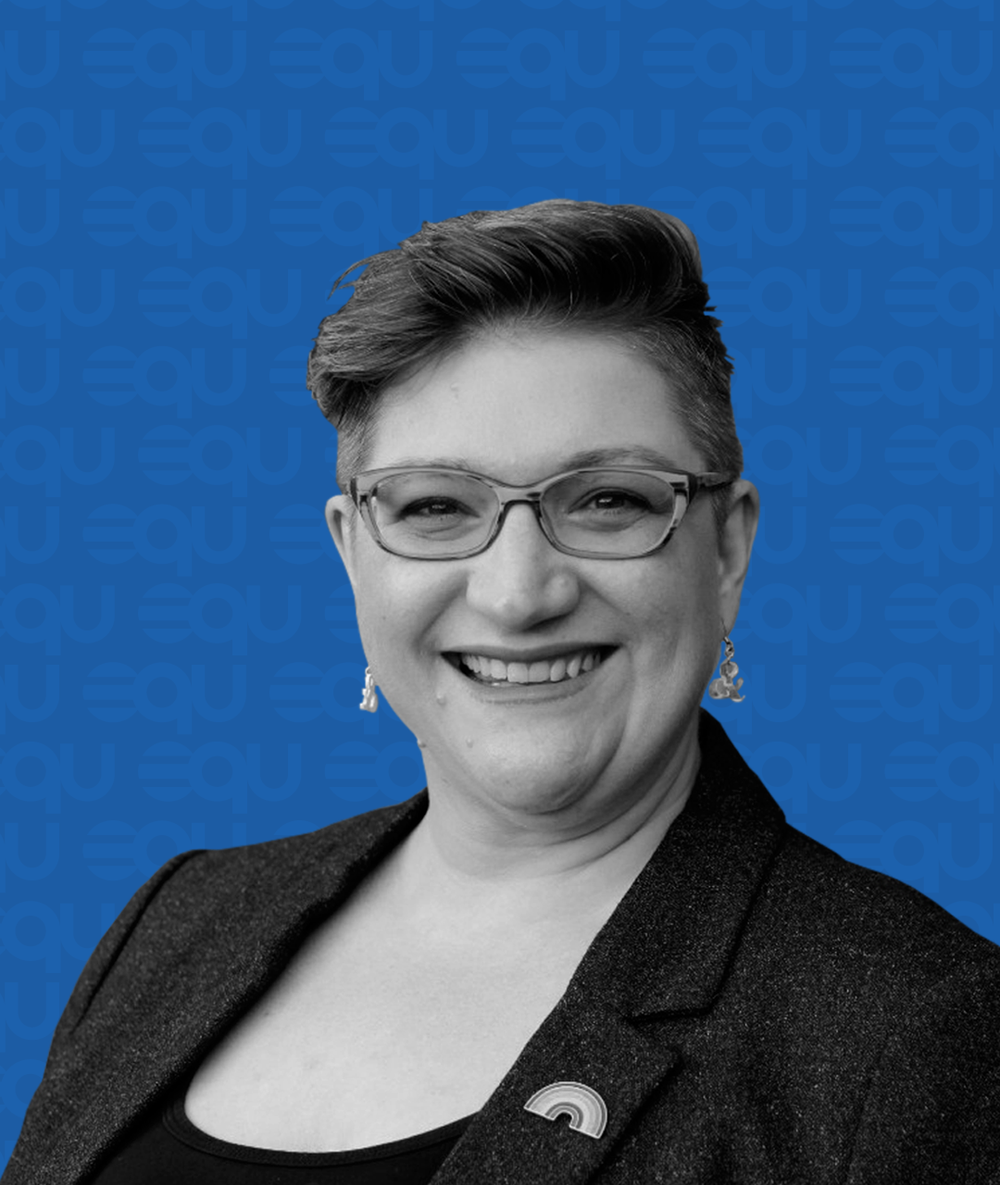
Lisa Trefzger is a queer mother and first-generation settler from German/German-Jewish ancestry. With over 20 years of experience in anti-violence work, she specializes in non-profit research, communications, education, intersectional feminism and community development. Her research interests include violence against women, gender-based violence, developmental disabilities, public education, decolonization, 2SLGBTQIA+ and youth engagement and empowerment. Her company,EQU Consulting works with leaders and teams to foster meaningful conversations that build connections and create a welcoming culture where everyone is reflected and respected.
Discover valuable tips and expert advice on our blog.